


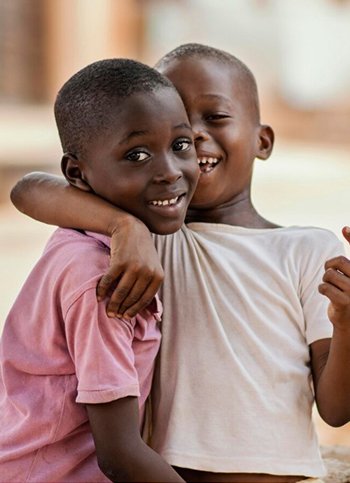
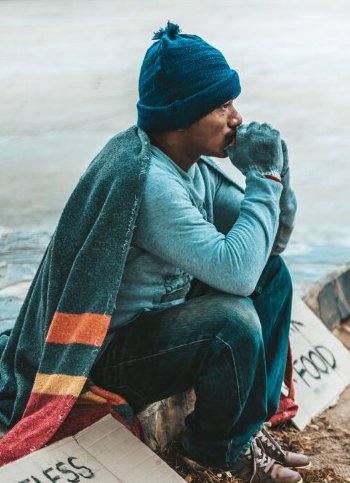
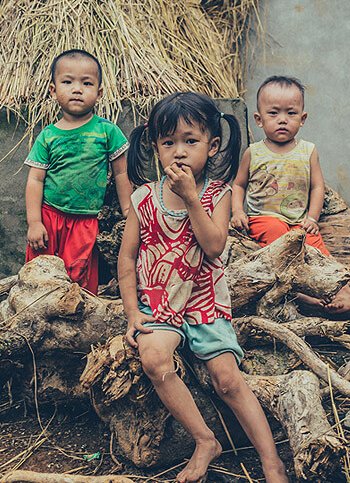
SRDI's community programmes show how local people can become stronger when development and nature conservation move together.


Empowering rural communities, creating sustainable livelihoods, and supporting education and social development across the Sundarbans.


Working to create better opportunities, support education, and strengthen the lives of families across the Sundarbans.


Working with communities to protect natural resources, strengthen livelihoods, and build a more sustainable future for the Sundarbans.
Sundarbans Development and Research Institute (SRDI) works towards sustainable development and the well-being of communities living in and around the Sundarbans. We support vulnerable families, strengthen livelihoods, promote education, empower women and youth, and protect the unique mangrove ecosystem.
Supporting Sundarbans families facing social and economic challenges.
Skills, education, livelihoods and opportunities for young people.
Educational assistance and scholarship opportunities.
Supporting honey collectors, fishers and forest-dependent families.
Building stronger, resilient and sustainable Sundarbans communities through people, livelihoods, education and nature.
We envision resilient Sundarbans communities where families have sustainable livelihoods, children have opportunities to learn and grow, women and youth are empowered, and the natural environment is protected for future generations.
A stronger and more resilient Sundarbans where vulnerable families can build secure livelihoods while communities live in harmony with the surrounding ecosystem.
To support communities through sustainable livelihoods, education, women and youth empowerment, conservation, research and community-led development.
We support vulnerable families in the Sundarbans through livelihood opportunities, skills development and sustainable income initiatives.
We support children and young people through education, learning opportunities and community programs for a brighter future.
We support families affected by human-tiger conflict in the Sundarbans through emergency assistance, livelihood support and community care.
Your support helps vulnerable families across the Sundarbans.
We help children access education and opportunities for a brighter future.
We support vulnerable families with essential healthcare and medical assistance.
We support families affected by human-tiger conflict in the Sundarbans.
A community-first development initiative designed to transform vulnerable populations into climate-resilient and economically self-reliant communities across the Indian Sundarbans.
A three-year community-first development model focused on green livelihoods, inclusive infrastructure and direct market access.
Sundarbans Development and Research Institute (SDRI)
3 Years — Phase 1
Vulnerable blocks of the Indian Sundarbans
Green livelihoods, infrastructure & direct market access
The Sundarbans delta houses over 7 million people facing extreme poverty, climate displacement and a lack of basic infrastructure. Traditional livelihoods such as fishing and forest foraging are increasingly hazardous due to wildlife conflict and rising sea levels. SSEERI proposes a community-first model that transforms vulnerable populations into climate-resilient, economically self-reliant communities through green livelihoods, inclusive infrastructure and direct market access.
Transition 5,000 households to climate-resilient alternative livelihoods within 36 months.
Increase average household income by 40% through direct market integration and value-chain development.
Establish 50 women-led Self-Help Groups and cooperative hubs for localized financial independence.
Improve climate security for 20 villages through decentralized clean energy and safe-water infrastructure.
Individuals fully certified by project end
Sustainable household income increase
Operational solar-RO plants
Active self-sustaining women-led groups
Built infrastructure such as RO plants and solar grids will be handed over to village-level committees. Nominal user fees will support long-term maintenance, while SDRI may transition from direct management into an advisory role, leaving behind a network of self-sustaining cooperative enterprises.
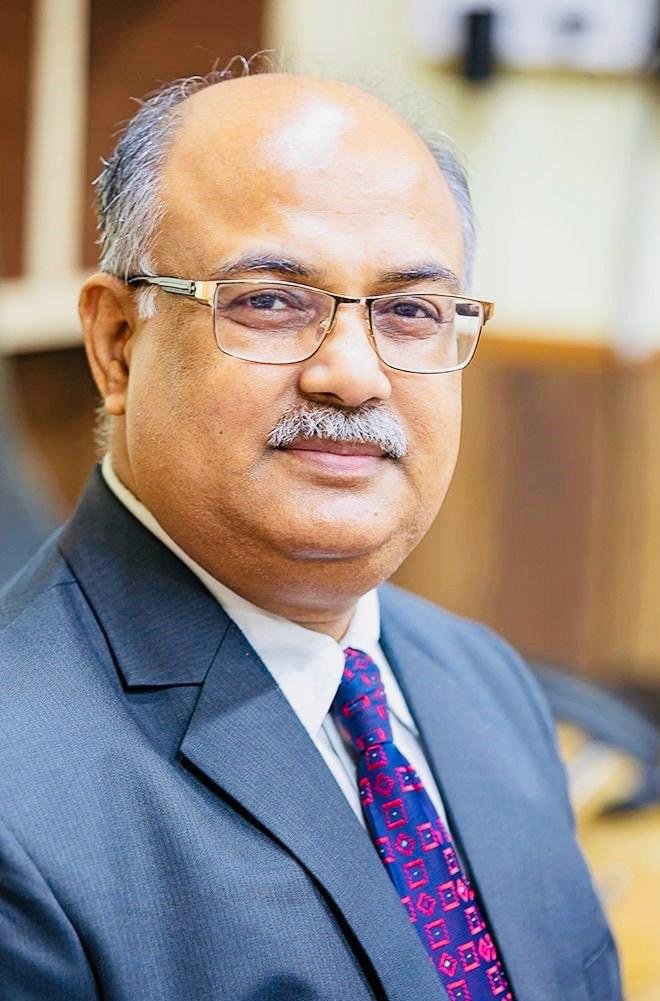
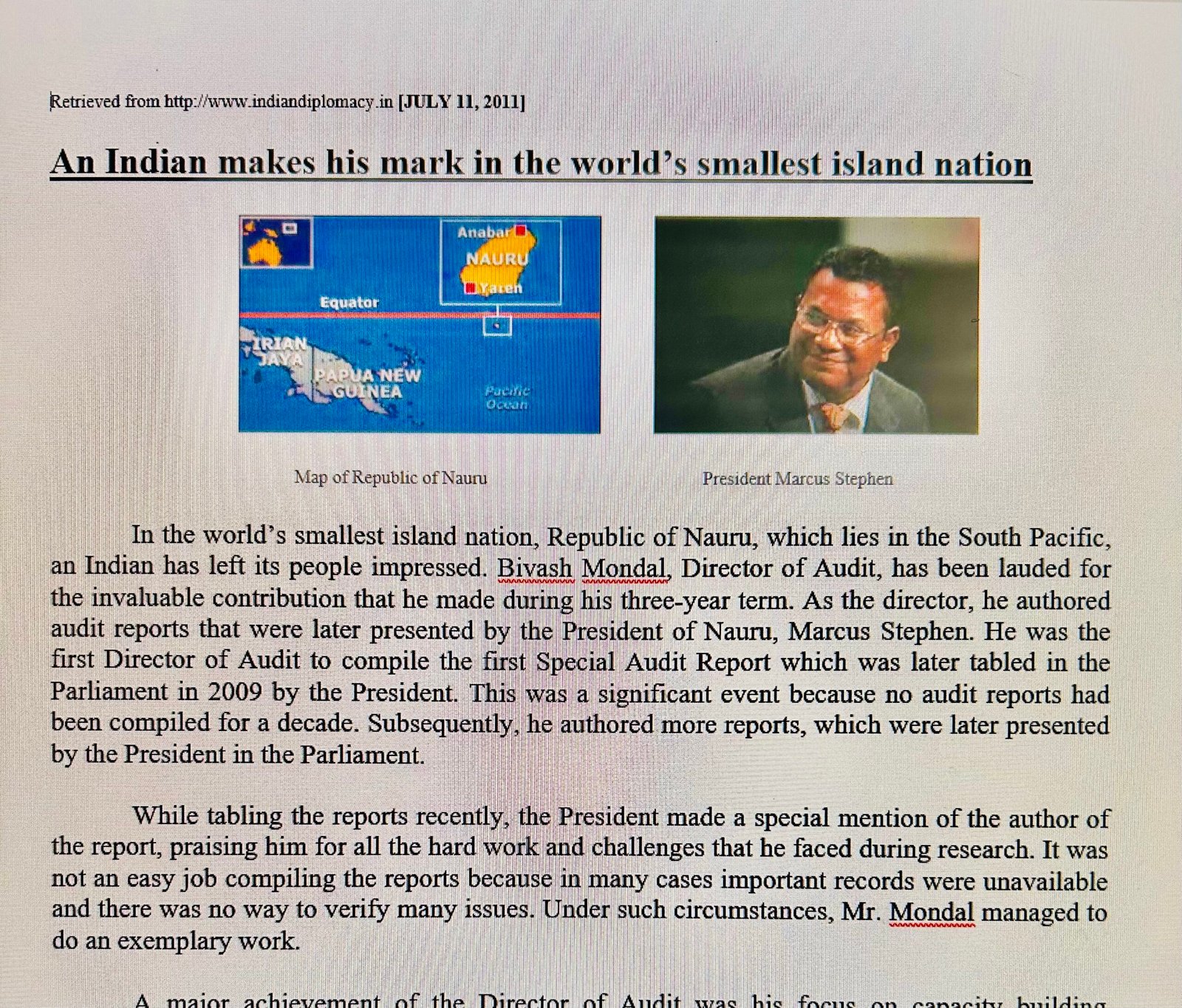
A documented professional journey of service, institutional development and public-sector audit experience in the Republic of Nauru.
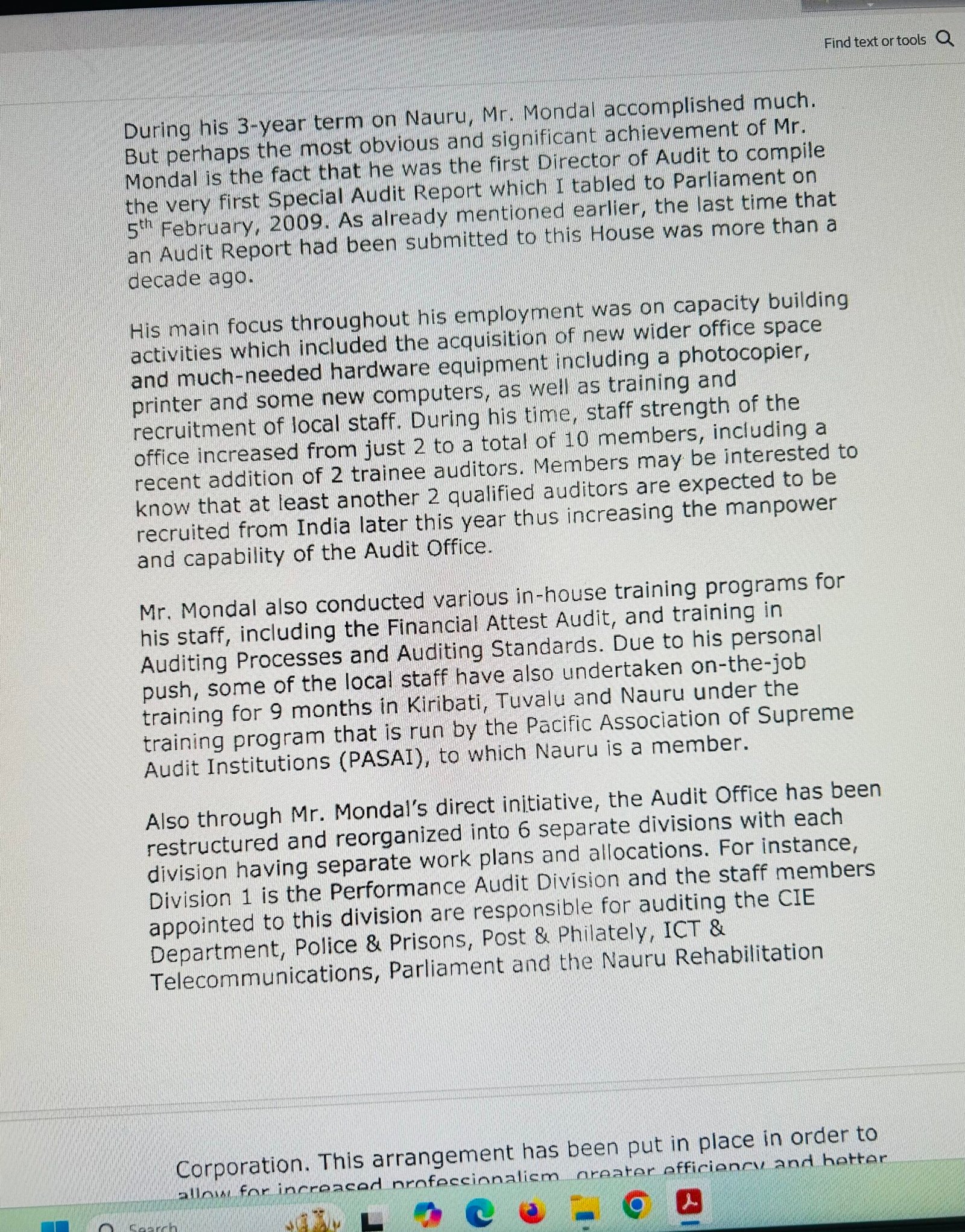
During his three-year term in Nauru, Mr. Mondal served as Director of Audit and contributed to the development of the Audit Office through audit reporting, capacity building, staff development and institutional restructuring.
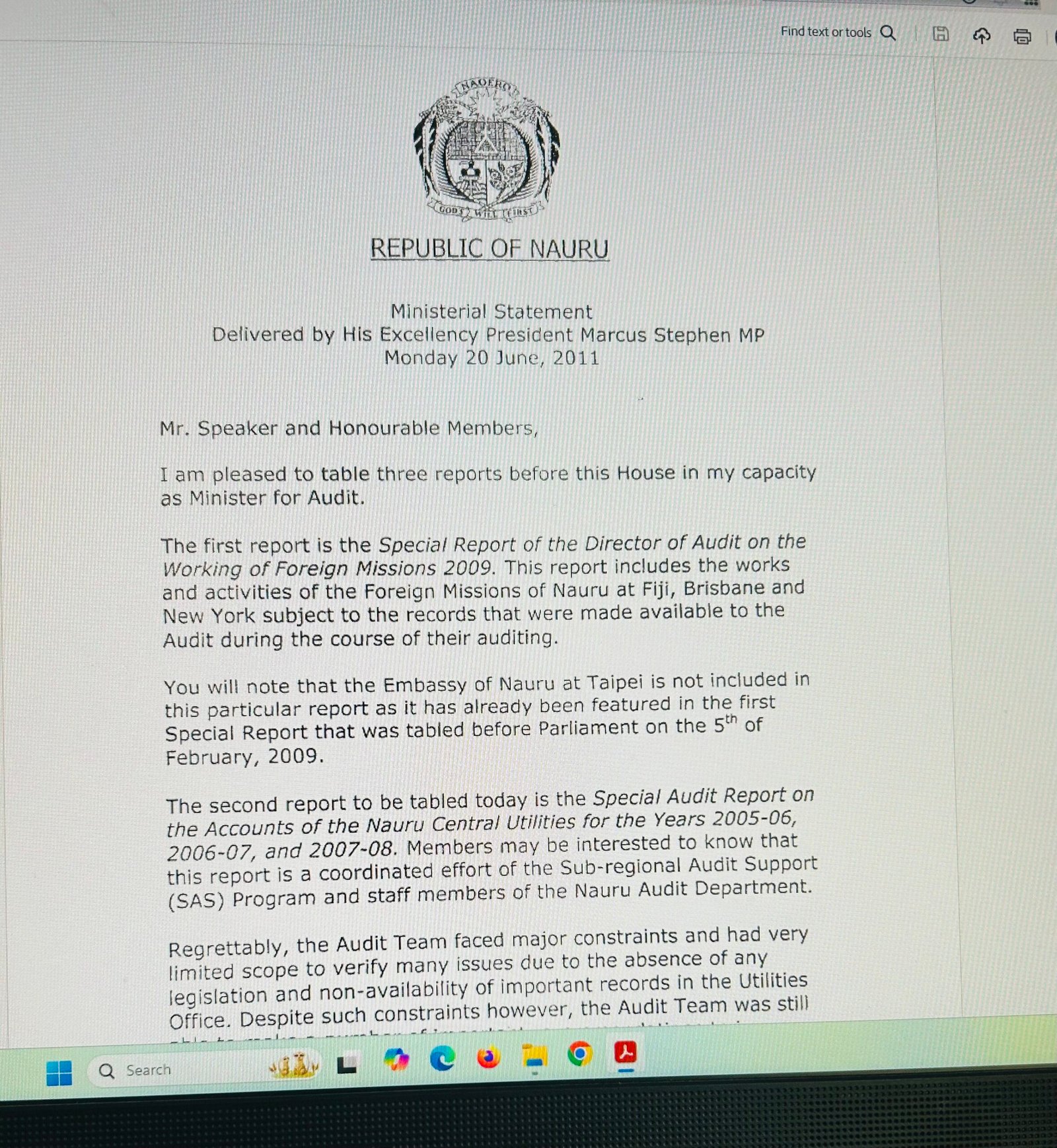
The historical records presented here document his professional service and the audit reports that were subsequently presented before the Parliament of Nauru.
The supplied historical material records Mr. Mondal's service as Director of Audit in the Republic of Nauru. During this period, the Audit Office underwent a number of organisational and capacity-building developments.
The records also describe the preparation of Special Audit Reports and the strengthening of staff, infrastructure, training and organisational structures.
The supplied records describe the preparation of Special Audit Reports that were subsequently presented before the Parliament of Nauru.
The material describes development of office facilities, hardware, equipment and recruitment initiatives for the Audit Office.
Training programmes included financial attest audit, auditing processes and auditing standards, together with regional on-the-job training.
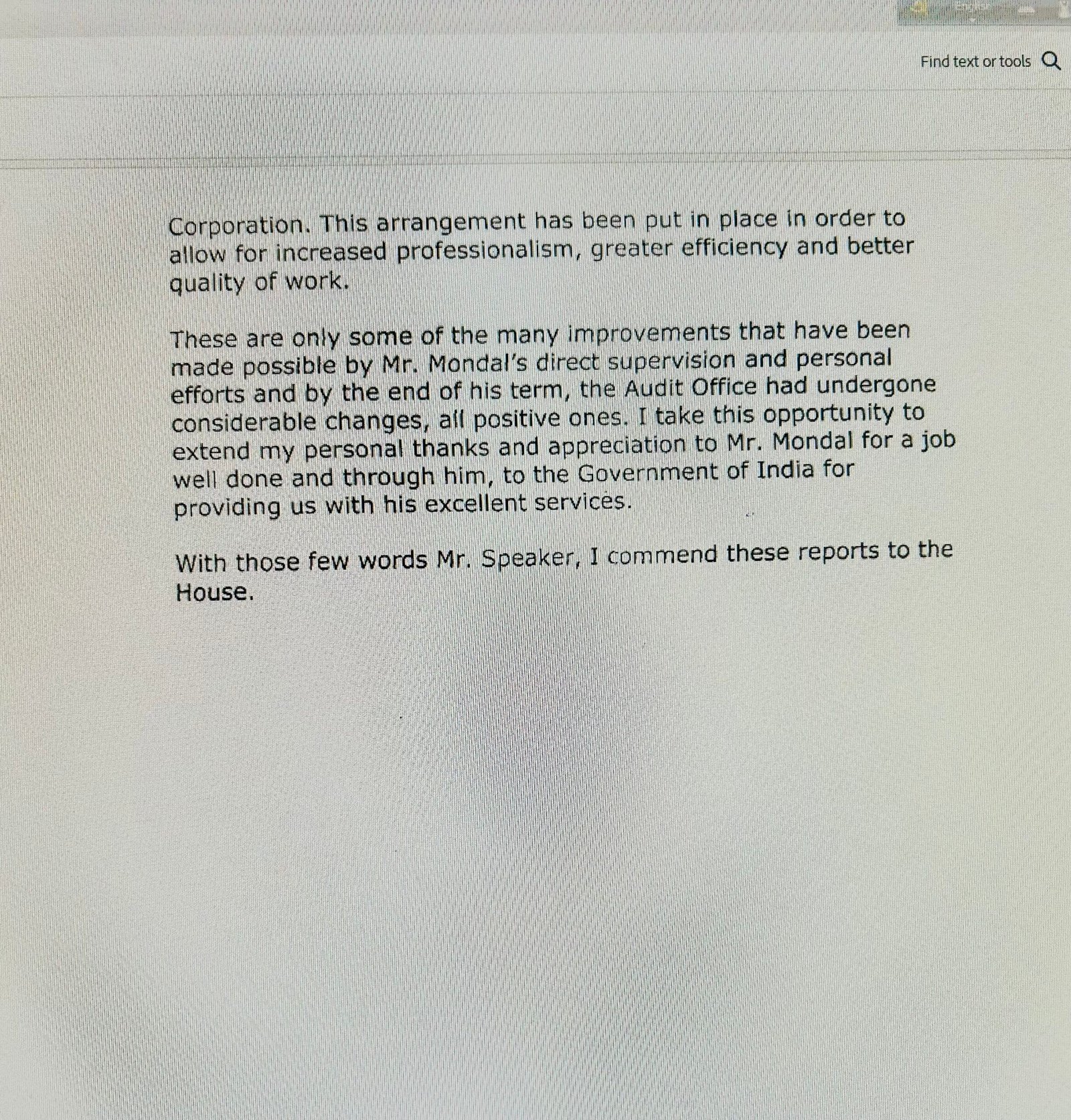
The supplied material records the restructuring and reorganisation of the Audit Office into six separate divisions.
A Ministerial Statement delivered on 20 June 2011 records the tabling of three reports before the House in the capacity of Minister for Audit.
The supplied record discusses the audit reports and the professional work undertaken during this period.
Key areas of development described in the supplied historical material.
Wider office space and essential hardware and equipment.
Recruitment and development of local staff and trainee auditors.
In-house auditing training and regional training initiatives.
Restructuring of the Audit Office into separate functional divisions.
Supporting historical material relating to the professional service and recognition associated with the Republic of Nauru.
Served as Director of Audit during a three-year term.
Prepared Special Audit Reports that were subsequently presented before the Parliament of Nauru.
Focused on office resources, staff recruitment, training and organisational capability.
The supplied material records the restructuring of the Audit Office into six divisions.
The international professional record presented here forms part of the documentary story associated with Sundarbans Development and Research Institute.
Supporting vulnerable families, empowering communities, promoting education and livelihoods, and protecting the unique Sundarbans ecosystem.
Donate NowWe work with communities across the Sundarbans to create sustainable livelihoods, support children and families, empower women and youth, and protect the region's unique mangrove environment.
Supporting vulnerable Sundarbans families with essential assistance, community programmes and emergency support.
Creating opportunities through skills, education, livelihoods and greater participation for women and youth.
Helping children access learning opportunities, educational resources and scholarships for a brighter future.
Supporting responsible livelihoods for honey collectors, fishers and families dependent on forest resources.
Protecting mangrove ecosystems while encouraging communities to take part in conservation and restoration.
Standing beside families affected by human–tiger conflict and helping communities respond to difficult circumstances.
Connecting vulnerable communities with awareness, basic support and programmes focused on healthier lives.
Helping Sundarbans communities prepare for environmental challenges and build more resilient livelihoods.
Every community has a story. Discover the voices of people connected with the Sundarbans and inspired by efforts toward stronger communities, sustainable livelihoods and conservation.
SRDI's community programmes show how local people can become stronger when development and nature conservation move together.
Supporting education for deserving students can create opportunities that reach far beyond one family and benefit an entire community.
Women in the Sundarbans deserve opportunities to strengthen their skills, livelihoods and role in community development.
Sustainable livelihood support is important for families who depend on the forests, rivers and natural resources of the Sundarbans.
Helping vulnerable families after difficult events can give people confidence to rebuild their lives and prepare for future challenges.
Protecting the Sundarbans means protecting both its wildlife and the people whose lives and livelihoods are closely connected with this unique ecosystem.
Empowering young people with education and useful skills can help build a more confident and sustainable future for Sundarbans villages.
Forest-dependent families need sustainable alternatives that protect their income while also protecting the natural resources around them.
Community development becomes meaningful when local people are included, listened to and given the opportunity to participate.
A stronger Sundarbans needs people and nature to grow together. Community support and conservation should always go hand in hand.
SRDI's community programmes show how local people can become stronger when development and nature conservation move together.
Supporting education for deserving students can create opportunities that reach far beyond one family and benefit an entire community.
Women in the Sundarbans deserve opportunities to strengthen their skills, livelihoods and role in community development.
Sustainable livelihood support is important for families who depend on the forests, rivers and natural resources of the Sundarbans.
Helping vulnerable families after difficult events can give people confidence to rebuild their lives and prepare for future challenges.
Protecting the Sundarbans means protecting both its wildlife and the people whose lives and livelihoods are closely connected with this unique ecosystem.
Empowering young people with education and useful skills can help build a more confident and sustainable future for Sundarbans villages.
Forest-dependent families need sustainable alternatives that protect their income while also protecting the natural resources around them.
Community development becomes meaningful when local people are included, listened to and given the opportunity to participate.
A stronger Sundarbans needs people and nature to grow together. Community support and conservation should always go hand in hand.
Updates on our work & initiatives
Sundarbans Development and Research Institute (SRDI) works for sustainable development, community empowerment, education, livelihoods and conservation across the Sundarbans region.
Helpline 9818222347 / 9818222747 / 9870112747
© 2026 Sundarbans Development and Research Institute (SRDI) | All Rights Reserved.